

More and more facial cosmetic surgeons are turning to preservation rhinoplasty as a superior method for nose reshaping. While this technique has its roots in early rhinoplasty methods, recent innovations in surgical technology and anatomical understanding have brought it back into prominence.
Lafayette cosmetic surgeon Dr. J. Kevin Duplechain has spent years studying and implementing preservation rhinoplasty in his practice, and he now uses this advanced technique to help patients achieve naturally balanced results and enjoy a streamlined recovery.
What is Preservation Rhinoplasty?
Preservation rhinoplasty focuses on repositioning rather than removing nasal bone and cartilage. Unlike traditional rhinoplasty techniques that involve chiseling away a bony hump or removing significant amounts of cartilage, preservation rhinoplasty works from beneath the nasal structure to lower the bridge while keeping the top surface intact. This approach maintains the nose’s original framework and character, resulting in a smoother contour and reducing the chances of visible irregularities or sharp edges along the bridge.
Dr. Duplechain’s interest in preservation rhinoplasty was sparked about four or five years ago at a facelift and rhinoplasty conference, where a renowned rhinoplasty surgeon expressed regret that he hadn’t discovered the technique decades earlier. That endorsement convinced Dr. Duplechain this was something significant to explore. Since then, he has dedicated himself to mastering preservation techniques and now believes this method produces superior outcomes for many patients.
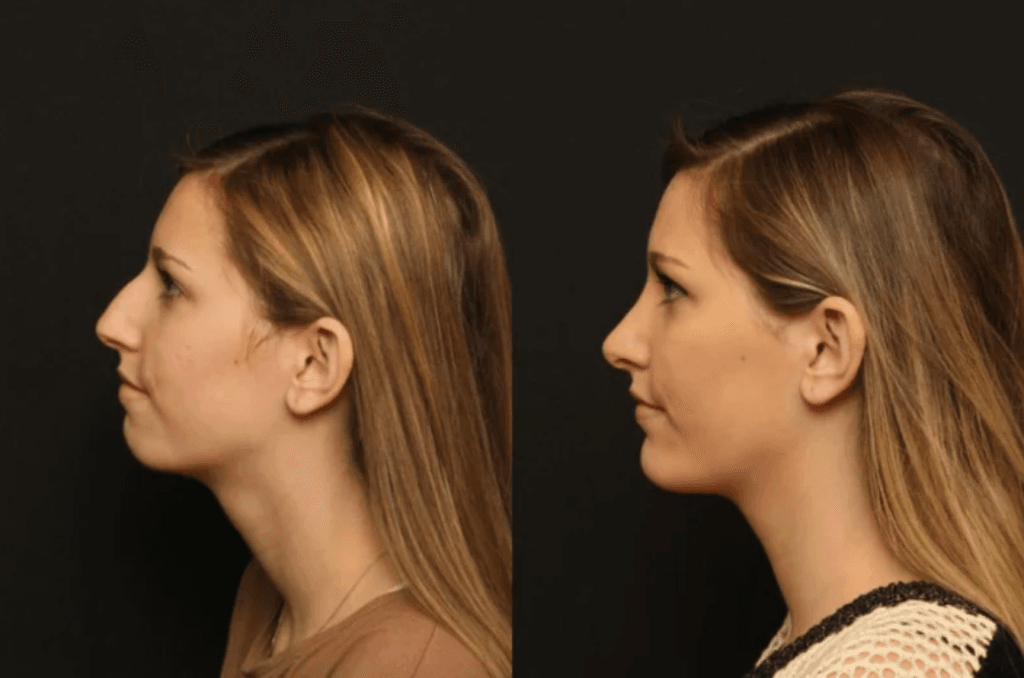
Why Dr. Duplechain Prefers Preservation Rhinoplasty
The primary advantage of preservation rhinoplasty lies in its conservative approach to nasal reshaping. By preserving as much of the nose’s natural architecture as possible, this technique offers several benefits over traditional methods.
More Natural-Looking Results
Preservation rhinoplasty maintains your nose’s original structures and ligaments, which helps your reshaped nose look completely natural and harmonious with your other facial features.
“I recently had a rhinoplasty with Dr. J. Kevin Duplechain, and I am absolutely overjoyed with the results! My nose looks amazing—natural, refined, and exactly what I hoped for. From the very beginning, I was impressed with the level of professionalism and care during my consultation. Dr. Duplechain took the time to listen to my concerns and made me feel completely confident in the process.”
-5-star Google review
Improved Recovery Experience
Recovery from preservation rhinoplasty tends to be easier than traditional rhinoplasty. While both techniques involve incisions, preservation rhinoplasty focuses on protecting and maintaining certain nasal structures rather than removing them. Dr. Duplechain uses a piezotome—a specialized ultrasound bone cutter—which is much less traumatic than traditional chisels when performing this type of rhinoplasty. This advanced tool allows for precise bone modifications with minimal damage to surrounding soft tissue, which translates to reduced swelling, less bruising, and a more comfortable healing process.
Lower Risk of Surface Irregularities
Because preservation rhinoplasty leaves the nasal dorsum intact, this technique may reduce the risk of developing surface irregularities or visible asymmetries along the bridge. Research suggests that by preserving the smooth dorsal surface rather than rasping or cutting the bone, preservation rhinoplasty can result in a more naturally contoured nasal bridge. The preserved bone and cartilage maintain their natural architecture, which can contribute to a smoother appearance.
Better Functional Outcomes
Preservation rhinoplasty maintains the natural breathing valves and internal nasal anatomy, which reduces the risk of post-operative breathing difficulties.
Who is an Ideal Candidate for Preservation Rhinoplasty?
Patients with a dorsal hump are often excellent candidates for this technique. If your nose protrudes farther from your face than you’d like, or if you have a bony or cartilaginous bump along the bridge, preservation rhinoplasty may be an ideal solution.
Who is not a candidate?
While Dr. Duplechain does prefer to use this technique when possible, preservation rhinoplasty may not be appropriate for everyone. Patients who require significant nasal reshaping, have very wide or irregular nasal bridges, or desire dramatic changes may benefit more from traditional rhinoplasty techniques. Dr. Duplechain will evaluate your unique anatomy and aesthetic goals during your consultation to determine which approach will deliver your best possible outcome.

Dr. Duplechain’s Approach to Rhinoplasty
Dr. J. Kevin Duplechain is a Diplomate of the American Board of Cosmetic Surgery with over 25 years of experience performing advanced rhinoplasty procedures. His expertise in both open and closed rhinoplasty techniques allows him to tailor each surgery to the individual patient’s needs.
Dr. Duplechain is particularly fond of rhinoplasty because it incorporates his passions for architecture, aesthetics, and refining one’s physical attributes. Rhinoplasty allows him to rebuild the nasal framework so the nose is more attractive and symmetrical, while simultaneously repairing any functional problems for improved breathing.
Dr. Duplechain’s reputation for natural-looking rhinoplasty results has made him a trusted choice for patients throughout Louisiana and beyond. Whether you’re local to Lafayette or considering traveling from Baton Rouge, Alexandria, Lake Charles, or other areas, Dr. Duplechain and his knowledgeable staff are excited to help you turn your aesthetic goals into a reality.
What to Expect: Consultation to Recovery
Your Consultation
During your initial consultation, Dr. Duplechain will discuss your cosmetic desires and evaluate whether preservation rhinoplasty is the right approach for your unique situation. He uses state-of-the-art video imaging to simulate potential results, allowing you to see how your reshaped nose will look with your other features before surgery. This collaborative planning process ensures that you and Dr. Duplechain are on the same page about your final results.
The Procedure
Preservation rhinoplasty can be performed using either open or closed techniques, depending on the extent of reshaping needed. Dr. Duplechain will determine which incision approach is best suited to achieve your desired outcome. The procedure typically involves making precise modifications from beneath the nasal structure, lowering the bridge while preserving the smooth dorsal surface.
Recovery
After your preservation rhinoplasty, you’ll wear a splint for a few days to support your nose as it heals. Most patients are ready to return to work within a week, though your individual experience may vary. Within a couple of weeks, the changes made to your nose will become evident, and you’ll begin to enjoy your new, more balanced profile. While your nose will look noticeably different after a few weeks, subtle refinements may continue to develop over several months as residual swelling resolves.
- Related: Your Rhinoplasty Recovery Checklist
If you’re considering rhinoplasty and want to learn more about preservation techniques, Dr. Duplechain would be happy to discuss your options during a personal consultation. With his extensive experience in advanced rhinoplasty methods and his commitment to natural-looking results, Dr. Duplechain can help you achieve a nose that beautifully complements your unique features without appearing altered or unnatural.
To learn more about preservation rhinoplasty or any other procedures we offer, request a consultation online or call our Lafayette office at (337) 456-3282.
Are you traveling to see Dr. Duplechain from out-of-town? See our guide for out-of-town patients »
Leave a Reply